Unveiling Gold's Secrets: How Extreme Pressure Transforms Its Atomic Structure
Recent experiments have shown how gold's atomic structure can change dramatically under extreme pressures found deep within giant planets, challenging our understanding of materials. This research is vital for advancing materials science and could lead to innovative applications in the future.
Today, gold is at its highest value ever, at around $5000 per ounce. But, have you ever wondered what happens to materials like gold under extreme conditions? Imagine a place where the pressure is over ten million times greater than what we experience here on Earth. This isn’t just a sci-fi fantasy; it’s a reality within the depths of massive planets, like gas giants, where conditions are so intense that they can completely change the properties of materials. Scientists are constantly pushing the boundaries of what we know about physics, especially when it comes to understanding how matter behaves under such extreme pressures.
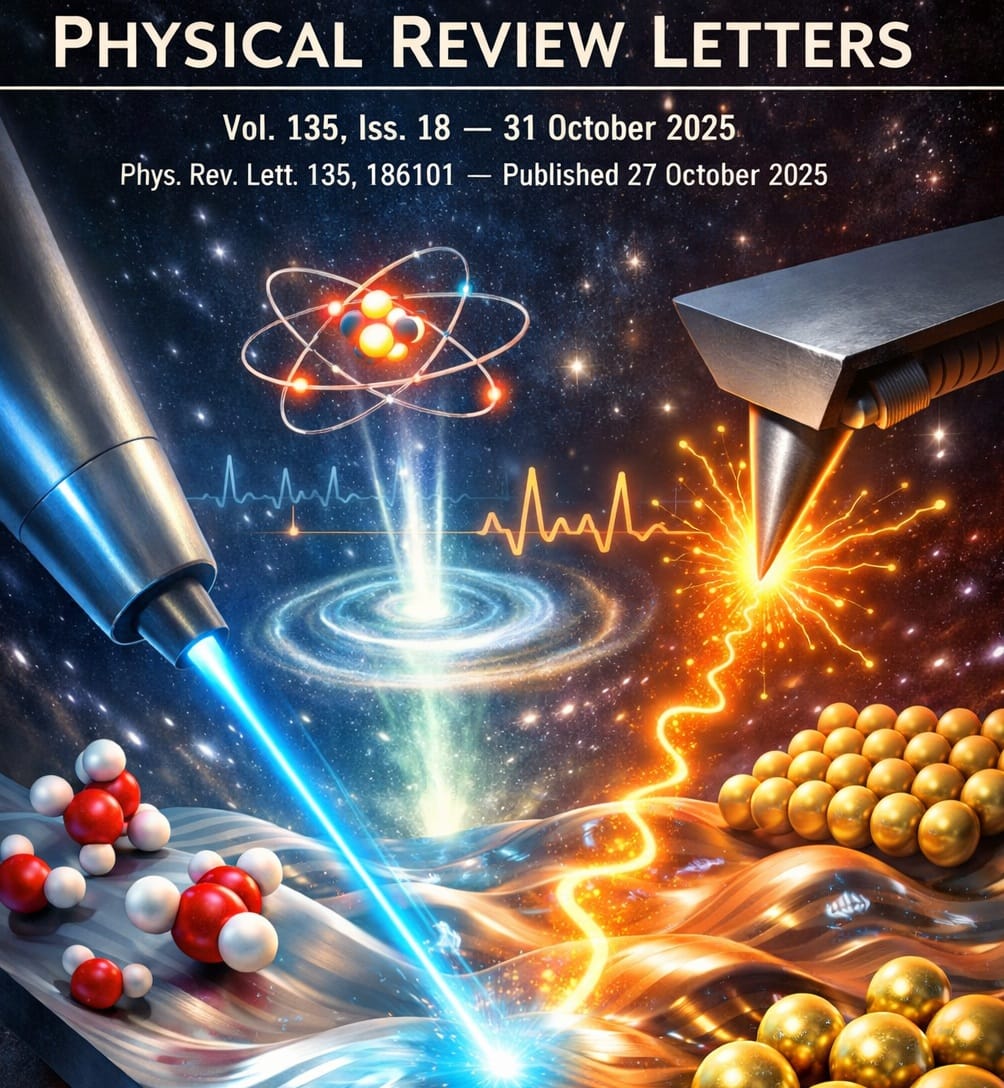
Recent experiments published in PRL [https://journals.aps.org/prl/abstract/10.1103/yzzv-2w81] have shown that in these conditions, gold—one of the most coveted metals on the planet—can alter its atomic structure in surprising ways. When gold is subjected to pressures akin to those found deep inside these giant planets, it’s as if it’s revealing a new personality. Traditionally, we think of gold as a bright, malleable metal, but under such immense pressure, it can take on unexpected forms and behaviors. This research not only challenges our understanding of materials but also has implications for various fields, including materials science, astrophysics, and even the potential creation of new materials with unique properties. To delve into this fascinating world, scientists utilize advanced laboratories that replicate these extreme conditions, pushing the limits of current technology.
These experiments are crucial for uncovering the mysteries of how materials react at these pressures, potentially paving the way for innovative applications in the future. In summary, the study of materials like gold under extreme pressures not only fascinates scientists but also opens doors to new discoveries in material science. As we continue to explore the universe and the challenges it holds, understanding these transformations can lead to advancements that could impact our lives in ways we can’t yet imagine. For more details on this exciting research, check out the full article: https://journals.aps.org/prl/abstract/10.1103/yzzv-2w81.